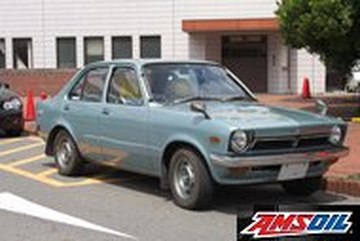
Maintaining Lubrication Standards for the 1981 Isuzu I-MARK 1.8L
Proper engine care for a vehicle of this era requires a focus on consistent monitoring and adherence to specific fluid requirements. For owners of the 1981 Isuzu I-MARK equipped with the 1.8L engine, maintaining the lubrication system is a fundamental aspect of long-term mechanical health. Because older engines may exhibit different sealing characteristics than modern counterparts, a proactive approach to inspection and oil selection is beneficial.Monitoring Fluid Integrity and Condition
Regularly checking the condition of your engine oil can provide early indicators regarding the internal state of the 1.8L engine. When performing routine checks, observe the color and texture of the lubricant on the dipstick. While oil naturally darkens over time due to use, an extremely thick or gritty consistency may warrant further investigation into the vehicle's service history or current maintenance needs. Beyond simple color changes, pay attention to any unusual odors or significant changes in how the fluid behaves. If you notice a sudden increase in how often the level must be topped off, this can be associated with various factors ranging from external leaks to internal consumption. Rather than attempting to diagnose a specific component based on these signs alone, treat them as prompts for a more thorough mechanical inspection.Observing Potential Signs of Seepage
As vehicles age, the materials used in gaskets and seals may undergo changes in flexibility. For the 1981 Isuzu I-MARK, it is useful to perform periodic visual inspections around the engine block and various sealing surfaces. Look for signs of dampness or dark staining that could indicate fluid seepage. When inspecting for leaks, check the area surrounding the oil pan and any visible gaskets. It is important to note that a small amount of "sweating" or light residue is not always indicative of an immediate failure, but it does serve as a useful baseline for monitoring. If you observe active dripping or significant pooling, these are clear indicators that the lubrication system requires professional attention to prevent further loss of fluid.Prioritizing Maintenance Based on Current Condition
For long-term ownership of a 1981 Isuzu I-MARK, effective maintenance is often more about reacting to the actual condition of the vehicle than following generic age-based assumptions. If you have recently acquired this vehicle and do not have access to a complete service history, your first priority should be establishing a maintenance baseline. This involves performing a comprehensive inspection of all fluids and checking for any evidence of previous neglect or inconsistent upkeep. Once a baseline is established, prioritize tasks based on what the engine currently requires. For example:- Address any active fluid leaks or visible seepage immediately to maintain proper lubrication levels.
- Investigate any changes in oil consumption or unusual mechanical noises that deviate from the vehicle's normal operating state.
- Verify the condition of age-sensitive components, such as accessible belts (if equipped) and various rubber hoses, to ensure they have not become brittle or cracked.
Managing Aging Engine Components
Maintaining an older vehicle involves a shift in perspective toward material longevity. While many components are designed to last for many years, the rubber, plastic, and various sealants used in 1981 may react differently to heat cycles and time than modern materials. When performing routine service, it is helpful to look at the "big picture" of the engine bay. This includes checking electrical connections for corrosion and ensuring that air filtration components are clean and free of debris. If the vehicle has been sitting for extended periods, a thorough inspection of all fluid levels and the integrity of various hoses is a prudent step before regular operation. Keeping detailed records of these observations—noting when a leak was first spotted or when a specific component was inspected—will assist in tracking the vehicle's health over time.Effective Lubrication Strategies for Longevity
The role of engine oil extends beyond simple lubrication; it is also vital for managing heat and helping to control the buildup of deposits within the engine. For an older 1.8L engine, selecting a lubricant that maintains its stability under operating temperatures is essential. While modern synthetic oils offer high levels of thermal stability and oxidation resistance, the choice should always be guided by the specific requirements of the application. Some owners may consider high-mileage formulations, which often include seal-conditioning additives intended to help maintain the integrity of aging gaskets and seals. However, the most important factor remains matching the lubricant to the technical specifications provided for this specific engine.Practical Advice for Buying Engine Oil for your 1981 Isuzu I-MARK 1.8L
When you are ready to replenish or change the oil in your vehicle, avoid making assumptions based solely on the age of the car or general automotive trends. The most reliable way to ensure you are using the correct product is to match the engine oil to the application-specific viscosity information already displayed on this webpage. Before completing your purchase, follow these steps:- Verify that the SAE viscosity listed in the application information above matches the bottle you are selecting.
- Check the product labeling to ensure it meets the appropriate API service classifications for your needs.
- Consider whether a conventional, synthetic blend, or full synthetic oil is most appropriate based on the specific guidance provided in the technical data on this page.
- If the engine shows signs of high mileage, you may evaluate high-mileage formulations that contain additives designed for aging engines, provided they align with the required viscosity.